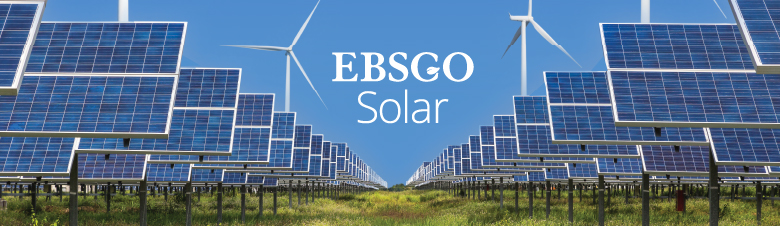
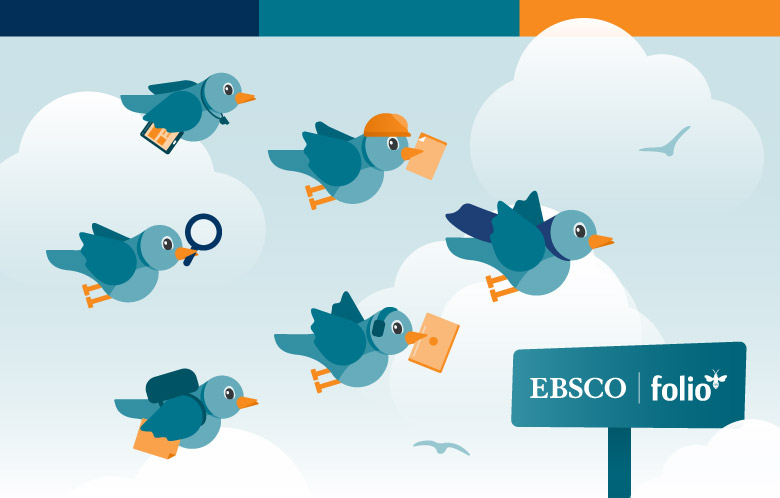
Reliable information for all kinds of research Interested in purchasing? Explore products & services for your institution Academic Libraries Public Libraries Schools Health Care Corporations Publishers Looking to start your research? Find your institution to login Access EBSCOhost Join the Open Perspectives Forum 2024 Explore the concept of "Open" in libraries globally through our online sessions featuring international perspectives. Learn more Submissions Open for the 2024 EBSCO Solar Grant EBSCO is accepting applications for grants that will fund solar installations at libraries around the world. Learn more Financial Literacy Among American College Students Many college students are not equipped with adequate financial literacy knowledge and skills. Learn the top ways academic libraries can help. View infographic Meet the research needs of all your users Research Databases Journals & ePackages eBooks Technology & Discovery Books & Collections Medical Point-of-Care See all products & services Trending from the blog EBSCOpost Implementing EBSCO FOLIO: Migration Isn’t Just for the Birds Read more View all posts Check out EBSCO blogs for the latest information EBSCOpost EBSCO Health Notes The Latest by NoveList Stay current with EBSCO newsletters Work Email Business Country - Select your country -United StatesAustraliaBrazilCanadaChinaGermanyIndiaIndonesiaMexicoPhilippinesSpainUnited KingdomAfghanistanAlbaniaAlgeriaAmerican SamoaAndorraAngolaAnguillaAntigua and BarbudaArgentinaArmeniaArubaAustriaAzerbaijanBahamasBahrainBangladeshBarbadosBelgiumBelizeBeninBermudaBhutanBoliviaBonaire, Sint Eustatius and SabaBosnia and HerzegovinaBotswanaBrunei DarussalamBulgariaBurkina FasoBurundiCambodiaCameroonCabo VerdeCayman IslandsCentral African RepublicChadChileColombiaCongo, Democratic Republic ofCongoCosta RicaCôte d'IvoireCroatiaCubaCuraçaoCyprusCzechiaDenmarkDominicaDominican RepublicEcuadorEgyptEl SalvadorEritreaEstoniaEswatiniEthiopiaFaroe IslandsFijiFinlandFranceFrench GuianaFrench PolynesiaGabonGambiaGeorgiaGhanaGibraltarGreeceGreenlandGrenadaGuadeloupeGuamGuatemalaGuineaGuinea-BissauGuyanaHaitiHondurasHong KongHungaryIcelandIraqIrelandIsraelItalyJamaicaJapanJordanKazakhstanKenyaKorea, Republic ofKosovoKuwaitKyrgyzstanLao People's Democratic RepublicLatviaLebanonLesothoLiberiaLibyaLiechtensteinLithuaniaLuxembourgMacauNorth MacedoniaMadagascarMalawiMalaysiaMaldivesMaliMaltaMarshall IslandsMartiniqueMauritaniaMauritiusMicronesia, Federal State ofMoldova, Republic ofMonacoMongoliaMontenegroMontserratMoroccoMozambiqueMyanmarNamibiaNepalNetherlandsNew CaledoniaNew ZealandNicaraguaNigerNigeriaNorthern Mariana IslandsNorwayOmanPakistanPalauPanamaPapua New GuineaParaguayPeruPolandPortugalPuerto RicoQatarRéunionRomaniaRwandaSaint Kitts and NevisSaint LuciaSaint Vincent and the GrenadinesSamoaSan MarinoSaudi ArabiaSenegalSerbiaSeychellesSierra LeoneSingaporeSint MaartenSaint MaartenSlovakiaSloveniaSolomon IslandsSomaliaSouth AfricaSri LankaPalestine, State ofSurinameSwedenSwitzerlandSyrian Arab RepublicTaiwanTajikistanTanzaniaThailandTimor-LesteTogoTongaTrinidad and TobagoTunisiaTürkiyeTurkmenistanTurks and Caicos IslandsUgandaUkraineUnited Arab EmiratesUruguayUzbekistanVanuatuVenezuelaViet NamVirgin Islands (U.S.)YemenZambiaZimbabwe Please select the newsletter(s) you're interested in Academic Libraries Corporate & Government eBooks GOBI Health InTech Public Libraries Schools By submitting this form, you acknowledge that EBSCO Information Services will collect and process your personal information in accordance with its Privacy Policy, including the categories and purposes of use for such information as described here. Submit Leave this field blank